
A shoe can be labelled waterproof and still leave your feet wet. This does not necessarily mean the label is wrong: water can enter from above, materials and seams wear out, and moisture can also come from sweat.
Here is a practical guide to the difference between waterproof and water-repellent footwear – and to choosing the option that suits the weather and activity.
Waterproof, water-repellent and suitable for use in water
Brands use these terms differently, but as a rule of thumb:
- Waterproof: The shoe is designed to resist water ingress under specific test and usage conditions. This is typically achieved with a membrane, sealed seams or a rubber upper.
- Water-repellent: The upper can withstand light rain, moisture and short walks on wet ground, but is not intended for prolonged contact with water.
- Suitable for use in water: The footwear can withstand getting wet and dries relatively quickly, but does not necessarily keep water out.
Manufacturers can test both materials and finished footwear, including for water pressure, water ingress and repeated flexing. Test methods and thresholds vary, so a label does not guarantee dry feet in every situation or throughout the shoe's lifespan.
How a waterproof membrane works
A waterproof membrane is a thin layer between the shoe's outer material and lining. It is designed to keep liquid water out while allowing some moisture to escape as vapour.
However, breathability depends on temperature, humidity, activity level and how wet the outside of the shoe is. When the outer material becomes saturated, moisture transfer typically decreases. The membrane can still keep water out, but sweat can make your feet feel damp, warm or cold.
Why can feet get wet?
- Water enters at the shaft or tongue.
- Sweat is trapped faster than it can escape.
- The outer material is saturated and less breathable.
- Seams, glued joints or the membrane are worn or damaged.
- The shoe has not received the care its outer material requires.
Barefoot shoes, flexibility and wear
Barefoot shoes bend a lot during use. This allows natural movement, but repeated flexing also puts strain on materials, seams and membranes. Waterproofness is therefore a property that can diminish over time – especially with heavy use, insufficient drying or damage in the shoe's flex zones.
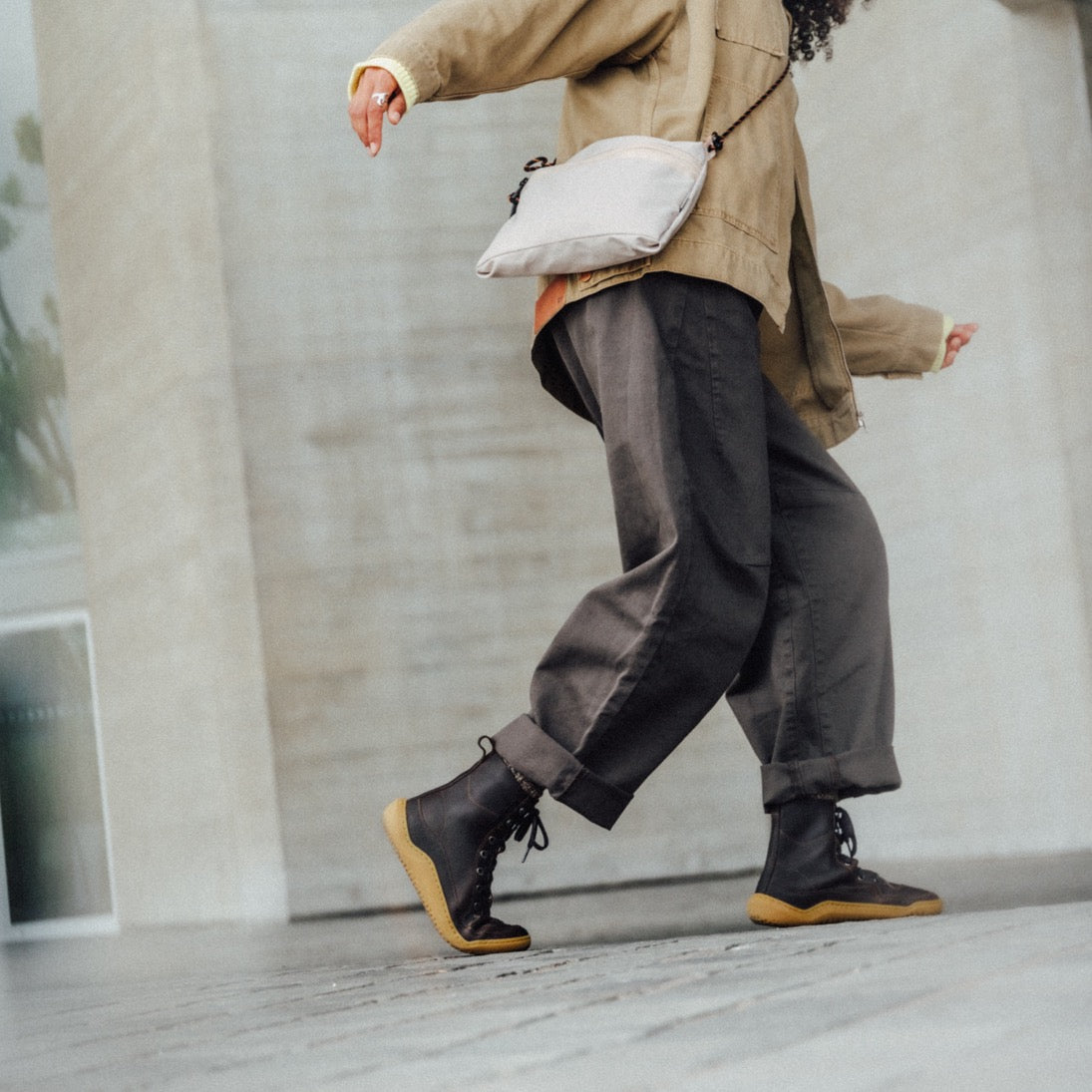
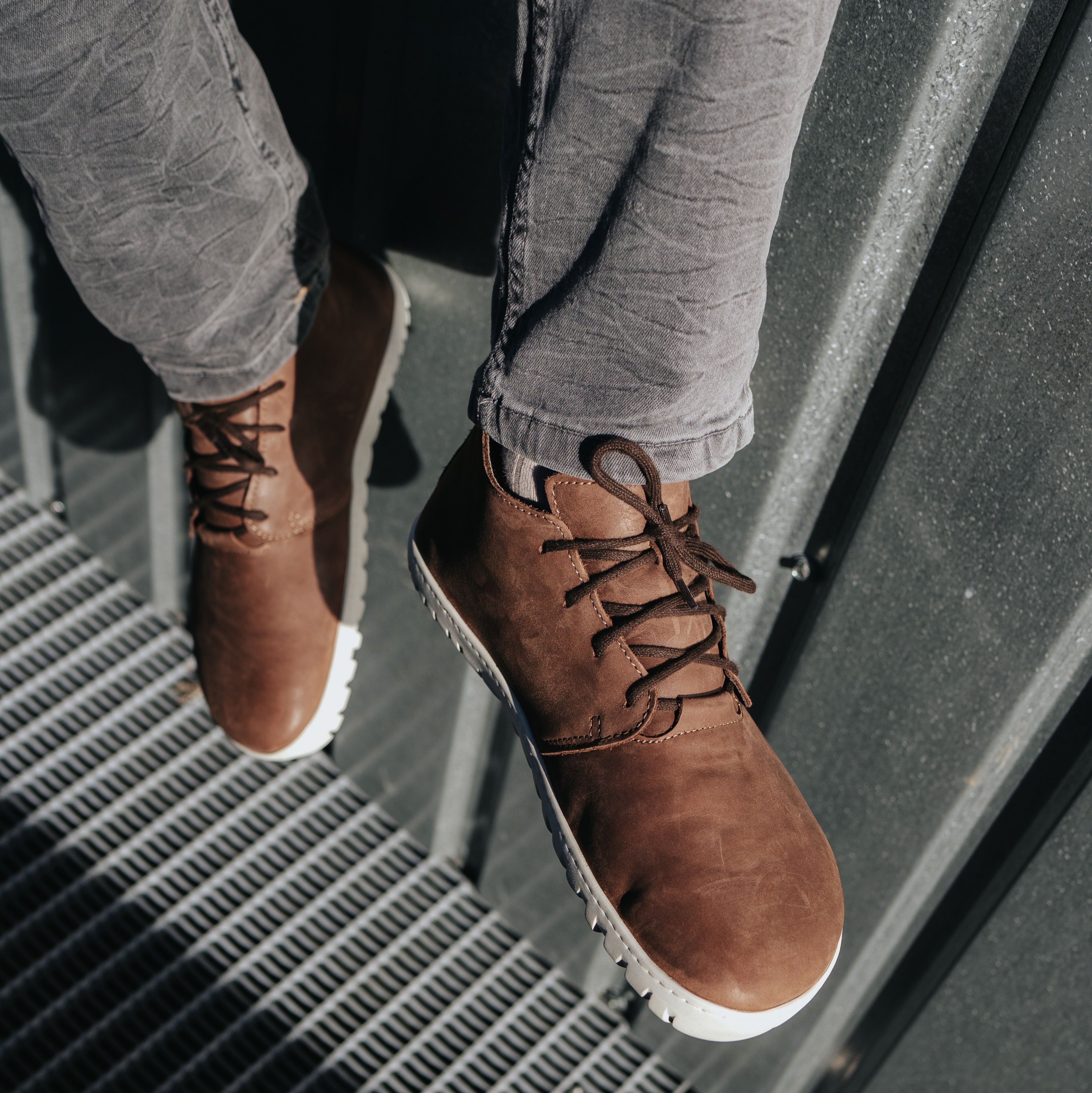
Leather boots without a membrane can be a good alternative in light rain and damp weather. Well-maintained leather is water-repellent and often more breathable, but it is not the same as a rubber boot and should not be expected to keep water out during prolonged contact with water.
Choose according to the conditions
Heavy rain, puddles and very wet terrain
Choose an intact rubber boot with a suitable shaft height. Rubber keeps water out up to the opening, as long as the material is not cracked or damaged.
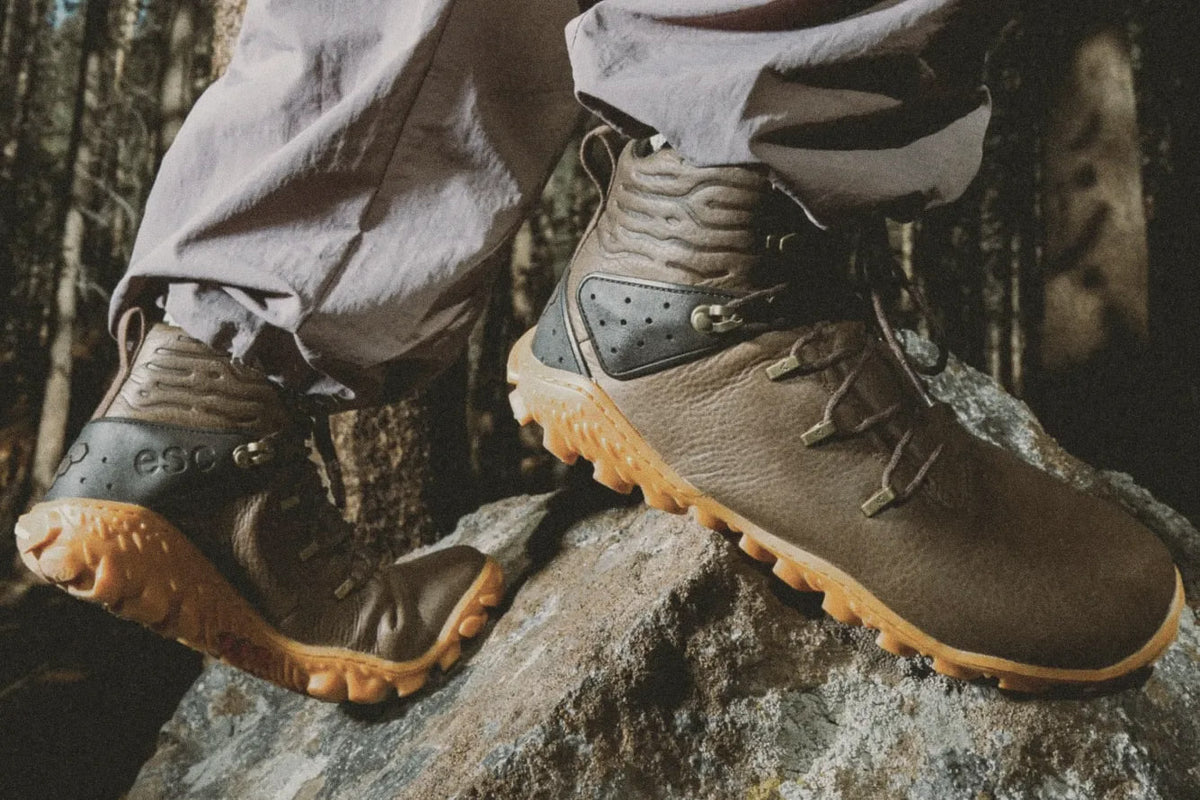
Rainy walks and hiking
A shoe or boot with a membrane can be practical. Make sure the shaft height suits the water depth, and expect less breathability than in a comparable model without a membrane.
Mild, damp weather
A water-repellent leather shoe or boot can provide a good balance between protection and breathability. Its effectiveness depends on construction and regular care.
Warm weather or high activity levels
Prioritise ventilation and quick drying. A membrane can become too warm if you produce a lot of moisture during activity.
Wet grass
Wet grass means prolonged contact with water and can press moisture against the shoe's flex zones. Choose footwear according to how long you will be outside – not just whether it is raining.
For children
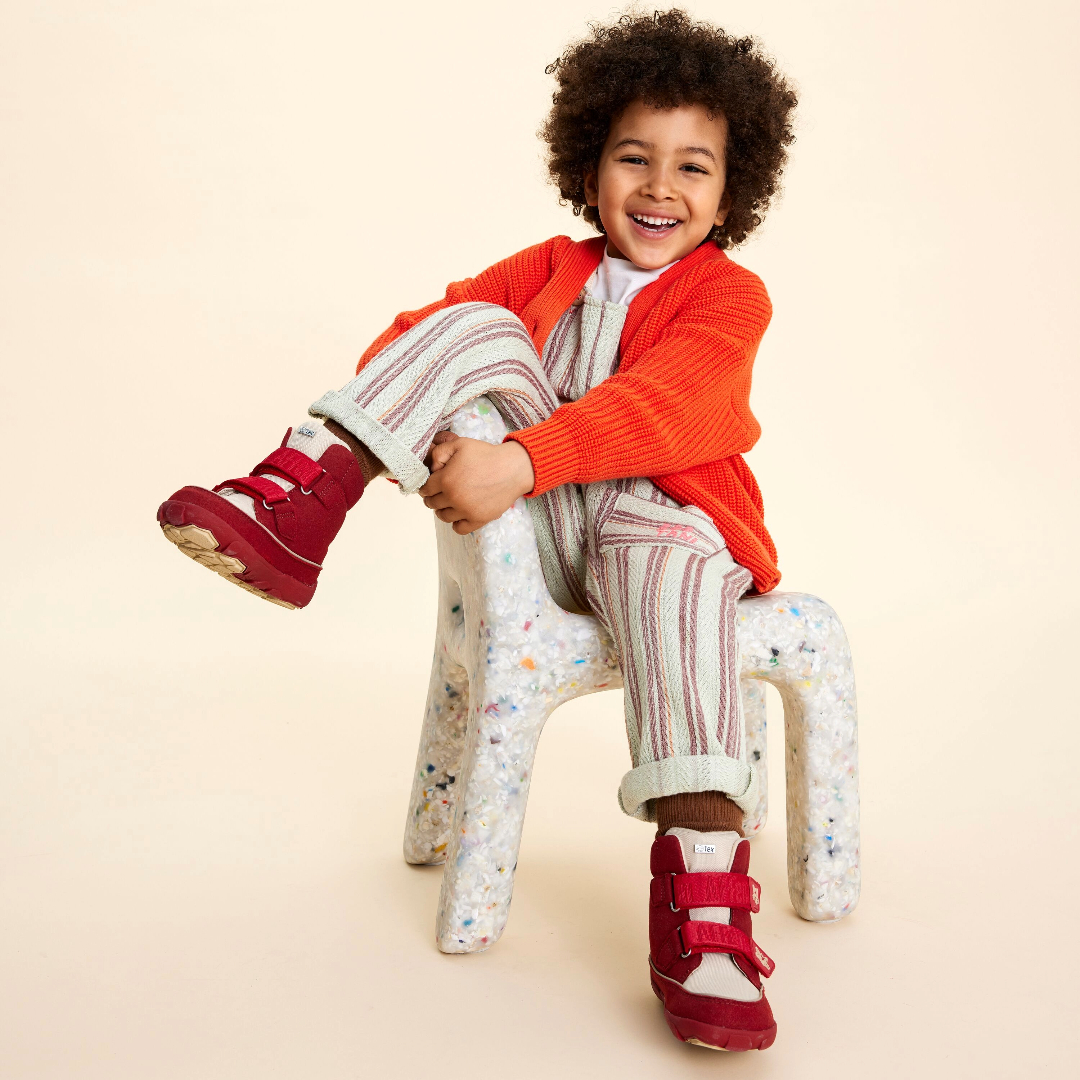
Children often move through puddles, wet grass and mud, so the conditions of use matter more than the season alone.
- Mild and very wet days: A flexible rubber boot is often the safest option.
- Damp weather without deep puddles: A water-repellent shoe for between seasons can be more comfortable and breathable.
- Cold, frost and snow: Choose warmth according to temperature and activity, and make sure there is room for toes and socks.
Check feet and socks after the outing. Wet socks can result from both water from outside and sweat from inside.
Socks make a difference
Wool can retain warmth better when damp, so it is often a good choice in cool weather. Cotton absorbs a lot of moisture and can feel cold when wet.
How to maintain protection
- Remove dirt and mud after use.
- Take out the insoles and let the shoes dry at room temperature.
- Avoid radiators, tumble dryers and other direct heat, which can damage glue, leather and the membrane.
- Care for leather with a suitable product, and renew the water-repellent treatment according to the manufacturer's instructions.
- Regularly check seams, flex zones and rubber for cracks.
Setting expectations
Waterproof does not automatically mean your foot will always feel dry. The label describes the shoe's resistance to water under specific conditions. Fit, shaft height, sweat, temperature, maintenance and wear also matter.
The best option is therefore not always the most waterproof shoe, but the shoe that best suits the activity, temperature and how long you will be outside.
View the current range and use the “Waterproofness” filter.
Last reviewed for technical and commercial accuracy: September 2026.