Barefoot shoes: A closer examination of their potential, foot anatomy and adaptation
Barefoot shoes is a paradoxical term, as we are no longer barefoot as soon as we put shoes on. But it is a very good term for describing the feeling of wearing barefoot shoes.
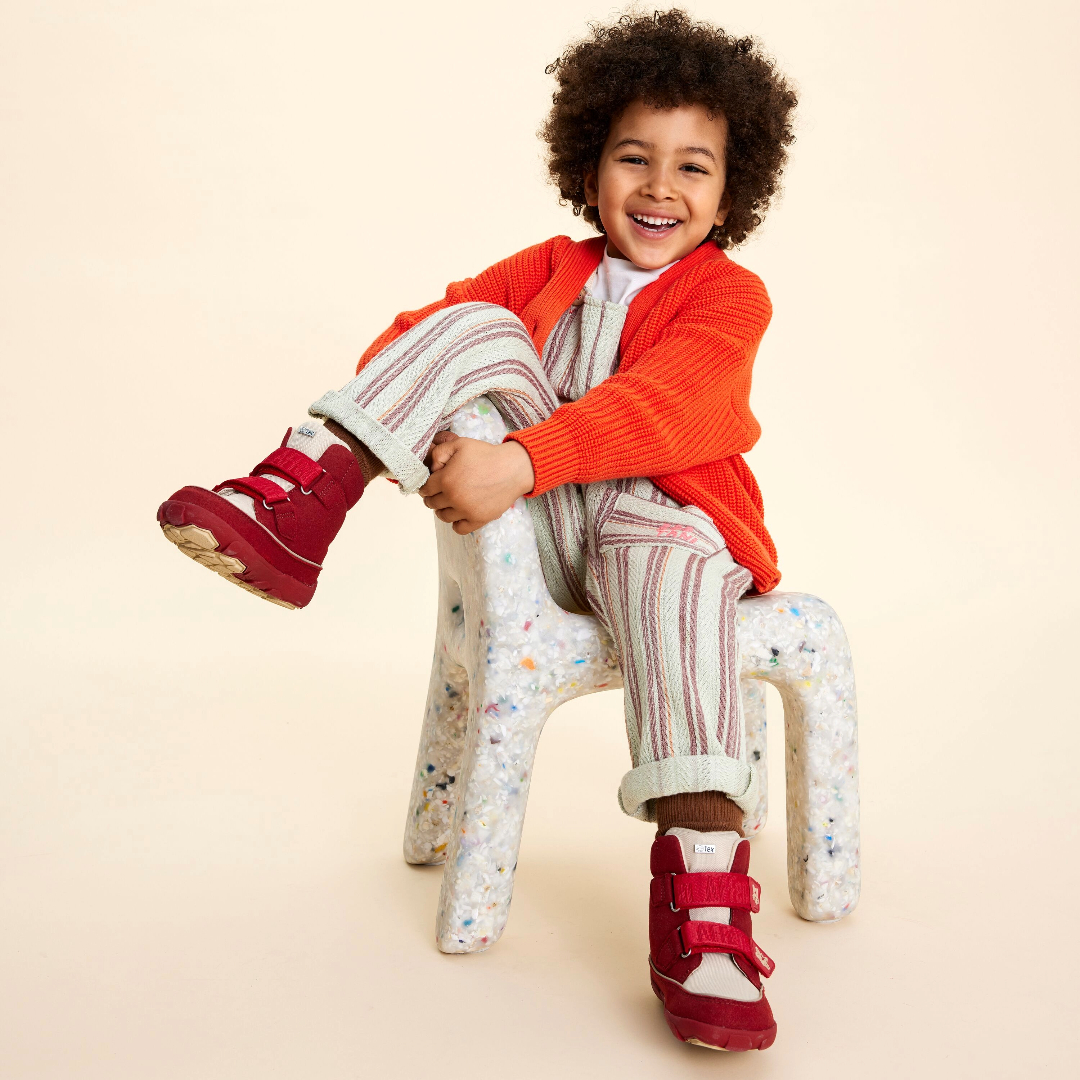
Barefoot shoes are footwear designed to give us the feeling of being barefoot, even when we are wearing shoes. Unlike conventional shoes, barefoot shoes prioritise natural movement and let the foot function as it is biologically designed to.
But what exactly are barefoot shoes, and why choose them over traditional footwear? Let us examine this concept in depth by looking at foot anatomy, the effects of conventional shoes, and the benefits and challenges of barefoot shoes.
What are barefoot shoes?
Barefoot shoes imitate the experience of walking barefoot while protecting against harmful surfaces such as asphalt, stones or uneven terrain. They have four basic characteristics:
|
|
|
|
|


Unlike traditional footwear, barefoot shoes do not support or assist the foot. Instead, they act as a tool that gives the foot freedom to work as it was designed to.

Foot anatomy: A natural wonder
The human foot is an extraordinary structure consisting of 26 bones, 33 joints and over 100 muscles, tendons and ligaments. In addition, over 200,000 nerve pathways can form in the feet. Together, these elements provide support, balance and mobility.
A useful way to visualise the foot is to compare it to a camera tripod, with the heel, big toe and little toe acting as the three points of contact. When weight is distributed evenly across these points, the foot is stable, strong and efficient. If we then start pushing one leg of the tripod (for example, our big toe) inwards, the tripod tips over.
The effects of conventional shoes
Many traditional shoes have design elements that alter the foot’s natural function:
- Raised heel: Raising the heel shifts body weight forwards and makes us arch our lower back. This can increase strain on the lower back and affect our posture in the longer term.
- Narrow toe box: These squeeze the toes together, prevent them from spreading naturally and reduce stability. This also limits the big toe’s main function when we walk: pushing off, when the big toe finally propels our entire body weight forwards.
- Stiff soles: A lack of flexibility in the shoe restricts foot movement and can therefore weaken the muscles over time. One of the few things we know about the body is that if we do not use our muscles, they become weaker. Passive support often makes us dependent on that support.
These features can contribute to problems such as a collapsed transverse arch, heel spurs and bunions. Although genetic factors can play a role, the influence of footwear cannot be ignored. More recent observations show that populations who walk barefoot or in minimalist footwear often have healthier and stronger feet.

The benefits of barefoot shoes
Barefoot shoes can offer a range of benefits, especially when introduced gradually.
- Improved sensory feedback: With thin soles, your feet can feel the ground significantly better. This improves your proprioception (the body’s sense of position) and makes it easier to react to uneven surfaces, reducing the risk of falls or injuries.
- Promotes natural posture: Without a raised heel (i.e. zero drop), better weight distribution and a more comfortable upright posture are possible. This adjustment distributes weight evenly across the whole foot and can relieve lower back discomfort.
- Strengthens foot muscles: Freed from stiff soles and excessive support, your feet will work harder in barefoot shoes. Over time, this strengthens muscles, tendons and ligaments.
- Supports a healthy foot shape: The wide toe box helps prevent the toes from being squeezed together and allows the big toe to perform its crucial role in balance and propulsion.
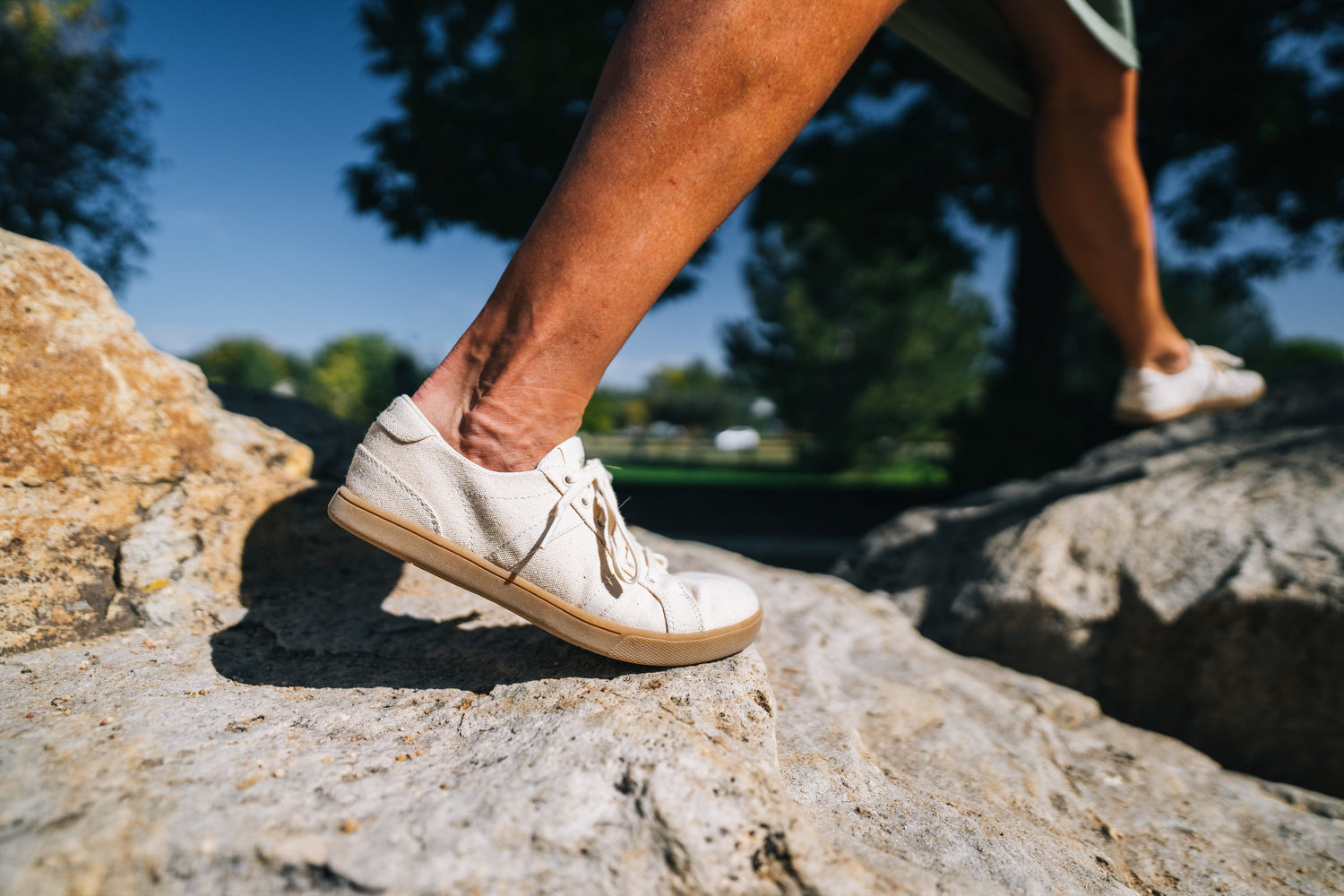
- Better stability and balance: By keeping the foot closer to the ground, barefoot shoes reduce the risk of twisting an ankle. Firstly, there is no large distance from the ground that could increase the risk of twisting an ankle. Secondly, you generally react more quickly to uneven ground if you can feel it.
The transition to barefoot shoes
The transition to barefoot shoes is a process that requires patience and attention to your body’s signals. Here are some tips:
- Take it slowly: Start with short periods and gradually increase them over time. This gives your feet a chance to adapt and strengthen the weakened muscles.
- Listen to your body: Pay attention to how your feet feel. If you experience discomfort, take a break or reduce the time you wear the shoes.
- Bring spare footwear: During the transition period, it can be useful to bring your usual shoes. Switching back as needed can provide relief and prevent overloading.
- One step at a time: Slow down a little and pay attention to how you place your feet. Here, you begin to notice that you need to ease off a little so your heel does not land too heavily on harder surfaces, and this is where our muscles begin to work. Remember to let your feet adapt naturally without forcing the process.
A balanced perspective on research
Although studies of going barefoot or wearing minimalist footwear remain inconclusive, many suggest that these shoes can play an important role in promoting healthier feet. Observations of populations who walk barefoot or in minimalist footwear show stronger and more functional feet. However, barefoot shoes are not a universal solution; they are best viewed as a tool for promoting natural movement and foot health by strengthening our foundation.

Our conclusion: Freedom for your feet
Barefoot shoes provide a unique opportunity to rediscover the foot’s natural function. They promote strength, balance and posture while allowing you to experience the world beneath your feet.
Remember that the transition to barefoot shoes should be approached thoughtfully, gradually and with an understanding of your body’s needs.
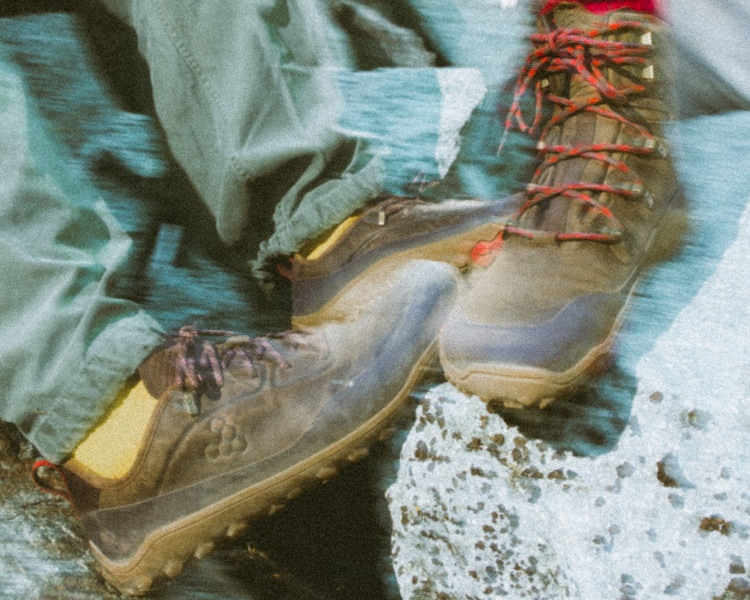
Ultimately, barefoot shoes are about rediscovering what your feet can do when they are allowed to. Whether you hike on uneven terrain, explore urban landscapes or simply stand at your desk, they can offer you a path to healthier and happier feet – one step at a time.